
Table of Contents
Toggle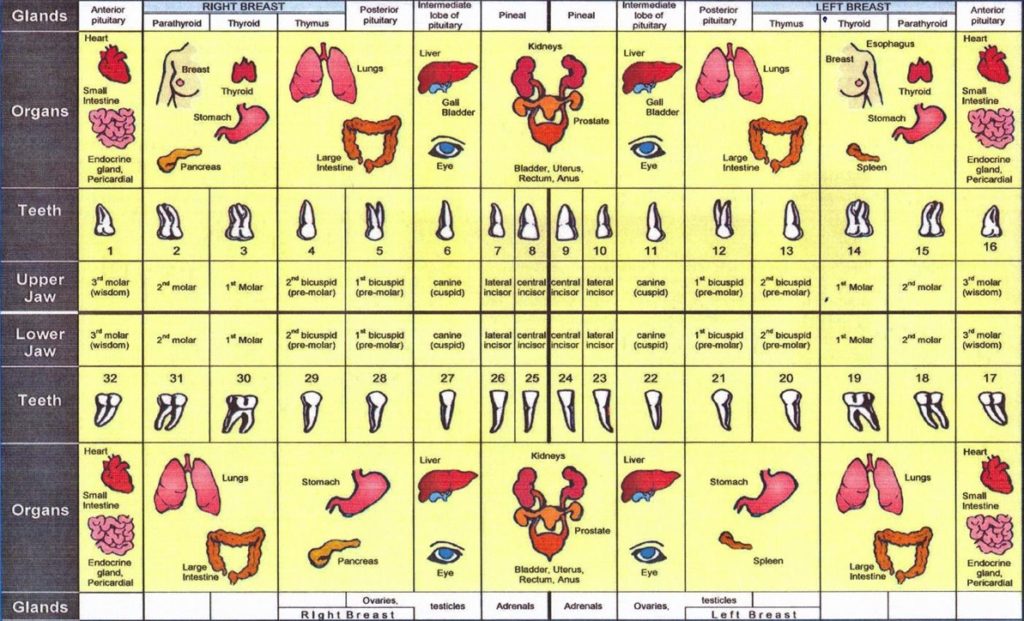
Understanding the tooth meridian chart is essential for those exploring holistic health. This chart bridges the gap between dentistry and traditional Chinese medicine, offering insights into how each tooth is connected to different organs and energy pathways in the body. If you’ve ever wondered how a seemingly healthy toothache might reflect an issue elsewhere in the body, the answer may lie in the principles of the tooth meridian chart.
What Is a Tooth Meridian Chart?
The Concept Behind Meridian Charts
The term “meridian” comes from Traditional Chinese Medicine (TCM) and refers to energy pathways that run through the body. According to TCM, each meridian is connected to specific organs and tissues. Just as there are meridian charts for acupuncture, there is also a specialized tooth meridians chart that maps each tooth to various organs and body systems.
How Teeth Reflect Overall Health
The tooth meridian chart illustrates the energetic relationship between each tooth and a corresponding organ or system, such as the liver, kidneys, stomach, or spine. For example, a problem with a molar may indicate energetic imbalances in the stomach or pancreas. This concept suggests that teeth are not isolated components but integral parts of the body’s energetic ecosystem.
The Importance of the Tooth Meridians Chart in Holistic Dentistry
Beyond Traditional Dentistry
Most dental practices focus on treating teeth as standalone units. However, holistic and biological dentists refer to the tooth meridian chart to assess whether a dental problem is symptomatic of a deeper systemic issue. By understanding these correlations, practitioners can provide more comprehensive care.
Common Tooth-Organ Connections
The tooth meridians chart typically links:
-
Upper and lower incisors to the kidneys and bladder
-
Canines to the liver and gallbladder
-
Premolars to the lungs and large intestine
-
Molars to the stomach, pancreas, and spleen
-
Wisdom teeth to the heart and small intestine
This mapping can help identify the root cause of unexplained pain, fatigue, or chronic illness.
Real-World Applications of the Tooth Meridian Chart
Recognizing Patterns in Chronic Health Conditions
People with chronic fatigue, digestive issues, or hormonal imbalances often find that their symptoms correlate with dental issues in specific teeth. For instance, someone with recurring sinus infections and issues with upper molars may discover that these molars are energetically linked to the sinuses and lungs according to the tooth meridians chart.
Holistic Treatment Plans
When a patient presents with tooth sensitivity, a practitioner using the tooth meridian chart might also evaluate the health of the related organ. This multi-dimensional approach often involves collaboration with other specialists, such as acupuncturists, naturopaths, or nutritionists.
Using the Tooth Meridians Chart at Home
Self-Observation Techniques
You can use a printable or digital tooth meridian chart to assess if discomfort in a specific tooth could be linked to organ stress. If you frequently experience problems with a certain tooth, look at the chart to see which organs might be involved.
Lifestyle Adjustments Based on the Chart
Once you’ve identified a connection, you can take proactive steps. For example, if your canine teeth are sensitive and you discover their link to the liver, you might want to reduce alcohol intake, increase liver-supporting foods like leafy greens, and consider detoxification support.
Limitations of the Tooth Meridian Chart
It’s Not a Diagnostic Tool
While the tooth meridian chart offers valuable insights, it should not replace medical diagnosis. It’s a supportive tool best used in conjunction with other holistic or medical practices.
Variations in Interpretation
Different traditions or schools of thought may offer slightly different versions of the tooth meridian chart. Always consult a qualified holistic dentist or TCM practitioner to interpret it properly.
Q&A: Understanding the Tooth Meridian Chart
Q: Can tooth pain be caused by problems in other parts of the body?
A: Yes, according to the tooth meridian chart, tooth pain can be energetically linked to organ imbalances. For example, pain in a molar may indicate digestive issues.
Q: Is the tooth meridian chart recognized by conventional dentists?
A: Most conventional dentists do not use it, but it is commonly used in holistic and biological dentistry.
Q: Can I diagnose an illness based on my tooth pain using the chart?
A: No. The tooth meridian chart is a guide, not a diagnostic tool. It should be used alongside medical or dental evaluation.
Q: Where can I find a reliable tooth meridian chart?
A: Many holistic dental websites and acupuncture resources provide accurate charts. Look for sources that reference Traditional Chinese Medicine principles.
Q: Does everyone’s tooth meridian chart look the same?
A: The general layout remains the same, but interpretations can vary slightly depending on the practitioner or tradition.
Q: Can the chart help in preventative care?
A: Yes, it can help you become more aware of organ-system balance and support preventive health measures by recognizing early signals.
Conclusion: Embrace the Wisdom of the Tooth Meridian Chart
The tooth meridian chart serves as a powerful tool for exploring the deep connections between oral health and whole-body wellness. While it’s not a substitute for professional diagnosis, it can offer valuable insights into the body’s energy flow and highlight patterns worth investigating further. For those seeking a more integrative approach to health, this chart opens up a new dimension of awareness and healing.
By consulting with holistic professionals and listening closely to your body, you can use the tooth meridian chart to uncover connections that support both dental and systemic health.