
Table of Contents
Toggle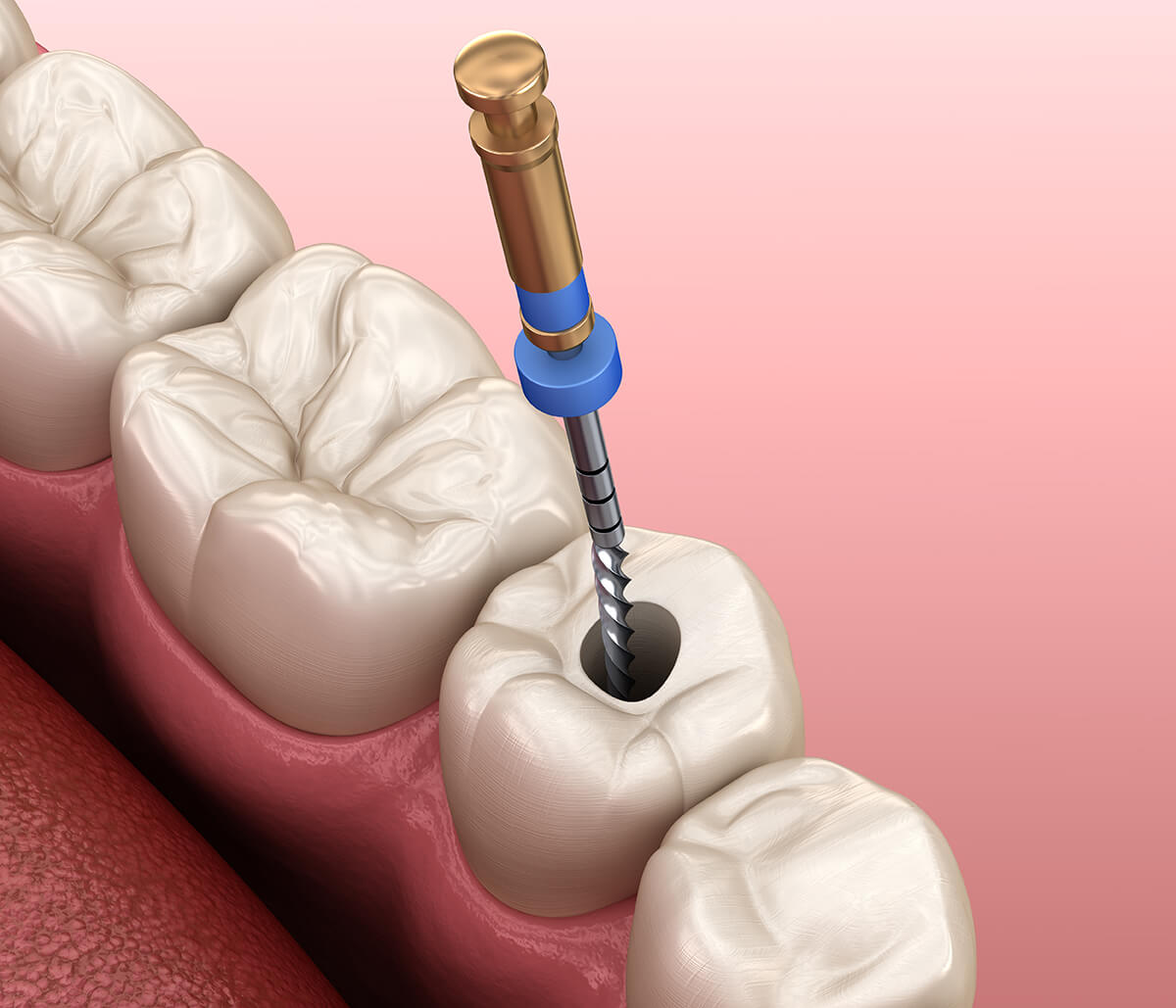
When undergoing dental treatment, one common concern is whether a root canal without crown is a viable and long-term solution. Traditionally, a crown is placed over a tooth following a root canal to protect it from further damage. However, many patients are now asking whether skipping the crown is possible or advisable. This article will explore the reasons, risks, and scenarios where a root canal without crown might be appropriate.
Understanding Root Canal Treatment
What Is a Root Canal?
A root canal is a dental procedure used to treat infection at the center of a tooth (the pulp). It involves:
-
Removing the infected pulp
-
Cleaning and disinfecting the canals
-
Filling the canals with a material called gutta-percha
The aim is to save the natural tooth rather than extracting it.
Why Are Crowns Usually Recommended After Root Canals?
Once a tooth undergoes a root canal, it becomes more fragile. A dental crown is usually recommended to:
-
Strengthen the tooth
-
Protect it from fractures
-
Restore full function for chewing and biting
But what happens if you opt for a root canal without crown?
When Is a Root Canal Without Crown Considered?
Suitable Tooth Types
A root canal without crown might be acceptable for:
-
Front teeth (incisors and canines), which are not subject to heavy chewing forces
-
Teeth with enough remaining healthy structure
-
Patients who maintain excellent oral hygiene
Financial or Personal Reasons
Some patients choose not to get a crown due to:
-
Financial limitations
-
Aesthetic preferences
-
Delaying the procedure until later
In these cases, dentists might place a permanent filling instead of a crown.
Risks of Root Canal Without Crown
Increased Risk of Fracture
A tooth that has undergone a root canal becomes brittle. Without the protection of a crown, it is significantly more prone to:
-
Cracks
-
Fractures
-
Tooth loss
Re-infection
The seal provided by a crown helps prevent bacteria from entering the tooth. Without it, there’s a higher chance of:
-
Bacterial leakage
-
Need for retreatment
-
Pain or swelling over time
Limited Longevity
A root canal without crown may not last as long as one with a crown. Studies have shown that the survival rate is much lower for uncrowned teeth, especially molars.
Advantages of Root Canal Without Crown
Cost Savings
Skipping the crown reduces treatment costs significantly, which may be important for patients on a budget.
Preserving Natural Appearance
In some cases, especially with front teeth, a tooth might look and feel fine without a crown, especially when restored with cosmetic composite materials.
Avoiding Additional Dental Work
Some patients prefer not to drill or shape the tooth further, which is necessary when placing a crown.
Best Practices for Root Canal Without Crown
Choose the Right Tooth
Only teeth that are not subject to strong bite forces should be considered for this approach.
Use High-Quality Filling Materials
Dentists may use durable composite materials or onlays to provide additional protection in the absence of a crown.
Regular Dental Check-Ups
Patients must commit to regular monitoring of the treated tooth to catch any early signs of damage or decay.
Alternatives to Crowns After Root Canal
Onlays and Inlays
Onlays and inlays are custom-made restorations that cover part of the tooth and are less invasive than crowns.
Composite Resin Fillings
For front teeth, composite resins can be shaped and shaded to look natural and provide protection.
Temporary Crowns
In some cases, a temporary crown can be placed until a permanent solution becomes affordable or feasible.
Q&A: Root Canal Without Crown
Q1: Is it okay to leave a root canal-treated tooth without a crown?
A: In some cases, yes. For front teeth with minimal damage and no heavy biting pressure, a root canal without crown may be sufficient, but only if the tooth is restored with a strong filling.
Q2: What are the chances of a tooth breaking after root canal without crown?
A: Studies show that molars treated without a crown are up to 6 times more likely to fracture compared to those that are crowned.
Q3: Can I wait a few months before placing a crown?
A: Yes, but waiting too long increases the risk of the tooth fracturing or becoming re-infected. It’s best to follow your dentist’s recommendations.
Q4: What if I already had a root canal without crown and feel no pain?
A: That’s a good sign, but it doesn’t guarantee long-term safety. Regular X-rays and check-ups are necessary to monitor the tooth’s condition.
Q5: Will dental insurance cover a crown after root canal?
A: Many insurance plans do cover crowns, but coverage varies. Check with your provider to understand your options.
Final Thoughts
Choosing a root canal without crown is possible in certain situations, particularly for front teeth or when cost is a concern. However, it’s essential to understand the risks and consult your dentist for personalized advice. Skipping the crown may save money upfront but could lead to higher costs and complications in the long run.
If you are considering a root canal without crown, make sure you’re making an informed decision backed by dental advice and regular monitoring.