
Maryland Ignition Laws
Introduction to Ignition Interlock Devices
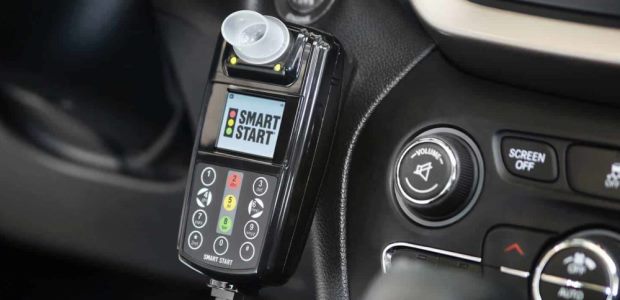
Ignition interlock devices are becoming increasingly common in the United States, particularly in the state of Maryland. These devices are designed to prevent drivers from operating a vehicle while under the influence of alcohol. By installing an ignition interlock device in a vehicle, drivers are required to provide a breath sample before the engine can be started. If the sample indicates the presence of alcohol, the vehicle will not start, thereby reducing the risk of drunk driving accidents.
In Maryland, the use of ignition interlock devices is mandated by law for certain offenders, including those who have been convicted of driving under the influence (DUI) or driving while intoxicated (DWI). The goal of these devices is to ensure public safety while also providing offenders with the opportunity to continue driving for essential purposes, such as work or school. For more information on the specifics of ignition interlock devices in the state, individuals can visit the website for details on Ignition Interlock Devices in Maryland and how they are implemented.
How Ignition Interlock Devices Work
Installation and Maintenance
The installation of an ignition interlock device typically involves connecting the device to the vehicle’s ignition system. This is usually done by a certified technician who ensures that the device is properly calibrated and functioning correctly. Once installed, the device requires regular maintenance to ensure it continues to function accurately. This may include periodic calibration checks and software updates to keep the device up-to-date with the latest technology.
Maintenance is crucial to the effective operation of ignition interlock devices. Failure to maintain the device can result in inaccurate readings or device malfunction, which may lead to unnecessary inconvenience for the driver or, in some cases, further legal issues. Drivers are responsible for ensuring their devices are serviced as required by the manufacturer and the state’s regulations.
Consequences of Violations
Violating the terms of an ignition interlock device installation can have serious consequences. These may include extension of the period for which the device must be installed, additional fines, or even the suspension or revocation of the driver’s license. It is essential for drivers to understand the rules and regulations surrounding the use of these devices to avoid any complications. This includes not attempting to bypass or tamper with the device, as such actions are considered serious offenses.
Furthermore, drivers should be aware of the costs associated with ignition interlock devices, including the initial installation fee, monthly rental fees, and any additional costs for maintenance or calibration. Understanding these costs and the legal requirements for device installation and use is vital for compliance and for minimizing the financial and legal impacts of a DUI or DWI conviction.
Conclusion
In conclusion, ignition interlock devices play a significant role in reducing drunk driving incidents and enhancing road safety in Maryland. By understanding how these devices work, the regulations surrounding their use, and the consequences of non-compliance, drivers can navigate the requirements following a DUI or DWI conviction more effectively. It is crucial for individuals to be informed about the laws and regulations in their state to make responsible choices and contribute to a safer driving environment.
Ultimately, the goal of ignition interlock devices is to protect the public while also providing a path for offenders to regain their driving privileges under controlled circumstances. By adhering to the guidelines and regulations set forth by the state of Maryland, drivers can work towards rehabilitation and the restoration of their full driving rights, all while contributing to the reduction of alcohol-related accidents on the roads.