
Table of Contents
Toggle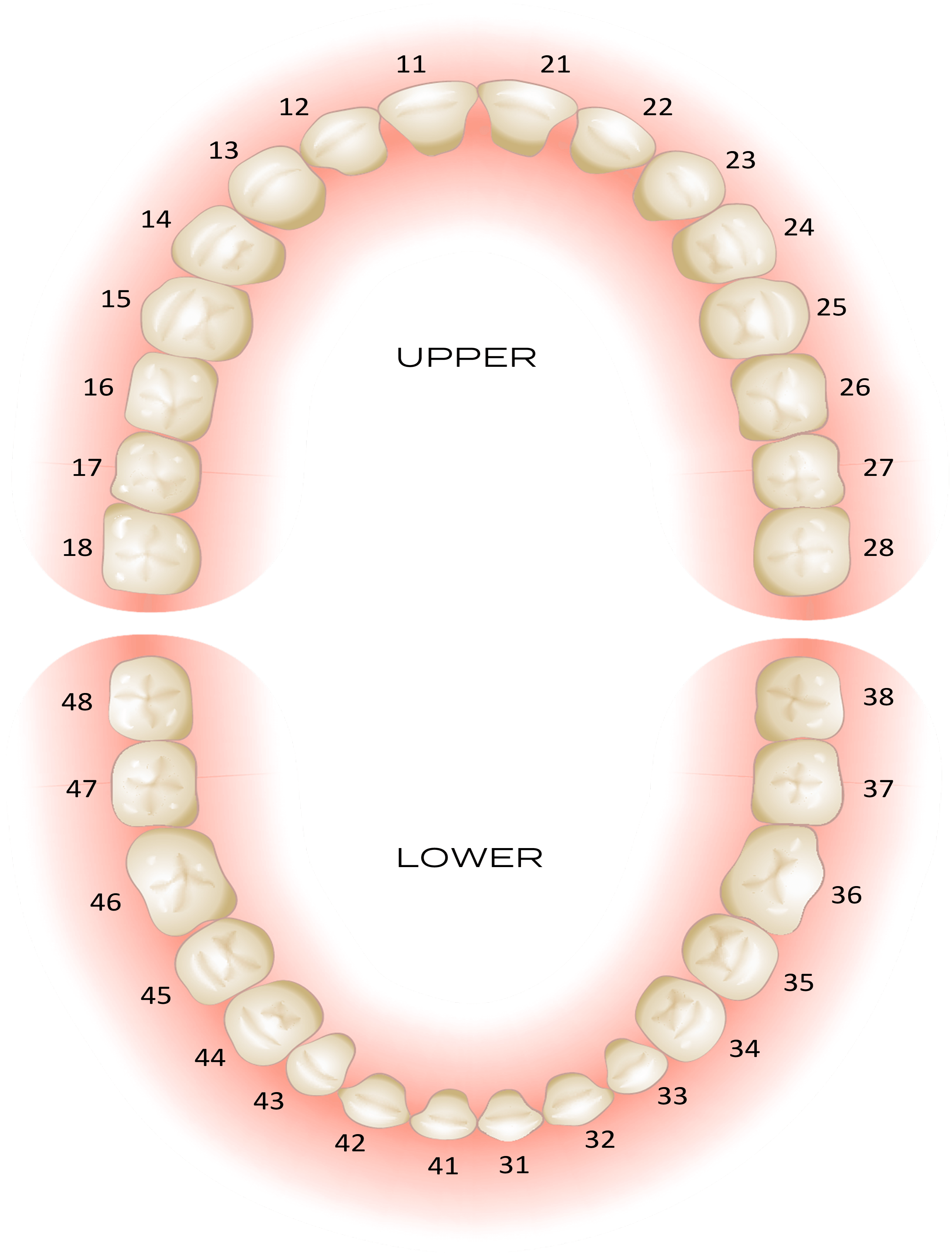
Understanding the Dental Meridian Chart
The dental meridian chart is a foundational tool in holistic dentistry and Traditional Chinese Medicine (TCM). It maps out energetic pathways that connect each tooth to specific organs, glands, spinal segments, joints, and even emotions. While this concept may seem unconventional from a Western medical perspective, many practitioners have used it successfully to diagnose and treat underlying health conditions by examining the health of the teeth.
The Origins of Dental Meridian Theory
Traditional Chinese Medicine and Meridians
In TCM, “meridians” are energy channels that run through the body. These meridians connect internal organs to various points on the skin, hands, feet—and yes, even the teeth. When energy (Qi) flows freely through these meridians, a person remains healthy. However, blockages or disruptions can lead to disease.
Integration into Holistic Dentistry
The dental meridian chart was developed by correlating TCM meridian pathways with dental observations. Dentists and naturopaths began to notice consistent patterns between tooth problems and ailments in corresponding organs, which led to the adoption of the chart in integrative practices.
How the Dental Meridian Chart Works
Each tooth is linked to an organ system. For example:
-
Upper Right First Molar (Tooth #3): Linked to the liver and gallbladder
-
Upper Left Lateral Incisor (Tooth #10): Linked to the kidney and bladder
-
Lower Right Canine (Tooth #27): Associated with the liver and gallbladder
When a specific tooth has recurring issues—like cavities, sensitivity, or infection—it may indicate energetic imbalances in its corresponding organ or system.
Emotional Connections
The dental meridian chart also associates teeth with emotions. A person with chronic problems in molars linked to the stomach might also struggle with anxiety, fear, or worry. These emotional connections help holistic practitioners approach dental and systemic health from a multi-dimensional angle.
Practical Applications of the Dental Meridian Chart
Diagnosing Underlying Illnesses
If a patient consistently has issues with certain teeth, it could signal a deeper problem. For instance, inflammation in a molar linked to the large intestine may prompt the dentist to recommend gut health evaluation.
Supporting Detoxification and Healing
By addressing dental infections, amalgam fillings, or root canals that interfere with energetic flow, patients often notice systemic improvements. Using the dental meridian chart, practitioners can tailor detox protocols or nutritional support to match affected organs.
Creating Holistic Treatment Plans
Many holistic dentists use the chart as part of their evaluation before performing extractions, implants, or fillings. They assess how dental work may influence energy flow and overall well-being, rather than treating teeth as isolated structures.
Common Criticisms and Scientific Viewpoints
While widely accepted in holistic health circles, the dental meridian chart is considered controversial by mainstream dentistry and lacks large-scale scientific studies. Critics argue that correlations do not equal causation and urge patients to be cautious when interpreting the chart without comprehensive diagnostics.
Still, anecdotal evidence and thousands of case studies support its use in functional and biological dentistry.
Real-World Examples and Case Studies
Case Study 1: Chronic Sinus Issues
A patient had unresolved sinus infections and recurring pain in the upper right second molar. Using the dental meridian chart, a holistic dentist connected the tooth to the sinus region. After extracting a root-canaled tooth and detoxing, the patient’s sinus infections ceased entirely.
Case Study 2: Hormonal Imbalance
A woman with severe PMS symptoms had decay in the lower molars associated with the ovaries and endocrine system. After removing mercury fillings and initiating hormone support, she experienced a reduction in symptoms.
How to Access a Dental Meridian Chart
Most holistic and biological dental practices provide their own version of the dental meridian chart. You can also find detailed versions online that map all 32 teeth to corresponding body systems. These charts vary slightly depending on the school of thought, but the general principles remain the same.
Q&A Section on the Dental Meridian Chart
Q: Is the dental meridian chart based on scientific evidence?
A: While the chart is supported by Traditional Chinese Medicine principles and holistic case studies, it lacks widespread scientific validation in Western dentistry. Nonetheless, many practitioners and patients report meaningful results when using it.
Q: Can I self-diagnose using a dental meridian chart?
A: It’s best not to self-diagnose. The chart should be used as a supportive tool by trained professionals who understand both dentistry and energetic medicine. Always consult a qualified holistic dentist for evaluation.
Q: Are root canals harmful according to the dental meridian chart?
A: Some holistic practitioners believe root canals can block meridian flow, especially if infection remains. The dental meridian chart may help determine which body system is being affected by a problematic root canal.
Q: How can I find a dentist who uses the dental meridian chart?
A: Look for biological, holistic, or integrative dentists in your area. They often mention use of the dental meridian chart in their service descriptions or websites.
Q: Can children benefit from using the dental meridian chart?
A: Yes. Holistic dentists may use the chart when evaluating children, especially those with chronic issues such as digestive trouble, allergies, or behavioral problems.
Final Thoughts
The dental meridian chart is a powerful lens through which to view dental and systemic health. Whether you’re dealing with unresolved health conditions or want a more integrated approach to dentistry, this chart offers unique insights. Though it shouldn’t replace conventional diagnostics, it can complement them beautifully when used by skilled practitioners. As interest in holistic health grows, so too does the relevance and appreciation of the dental meridian chart in modern wellness practices.