
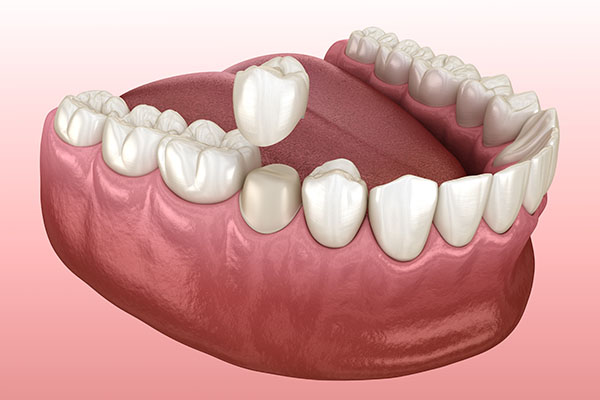
Many people wonder whether it’s possible to get a crown without root canal treatment. The short answer is yes—but it depends on the health of your tooth. Dental crowns are commonly associated with root canal procedures, but not all crowned teeth need one. In this article, we’ll explore everything you need to know about getting a crown without root canal, including when it’s recommended, the risks involved, and common questions patients have.
What Is a Dental Crown?
A dental crown is a cap placed over a tooth to restore its shape, strength, and function. It can be made from materials such as porcelain, ceramic, or metal. Crowns are typically used for:
-
Severely worn teeth
-
Broken or chipped teeth
-
After root canal therapy
-
Supporting a large filling
However, many patients are surprised to learn that you can sometimes get a crowns without root canal therapy, depending on your specific dental situation.
Can You Get a Crown Without Root Canal?
When It Is Possible
You can get a crown without root canal when the inner pulp of the tooth is healthy and there are no signs of infection or inflammation. Dentists may recommend a crown in these situations:
-
The tooth is fractured or chipped but the pulp is intact
-
The tooth has a large filling that weakens the structure
-
Cosmetic improvements are desired
-
There is minimal decay and the nerve is unaffected
When It’s Not Recommended
A crown without root canal is not recommended if:
-
The tooth is infected
-
There is nerve pain or abscess
-
Deep decay has reached the pulp
-
There’s evidence of trauma to the nerve
In these cases, a root canal is necessary before a crown is placed to avoid complications.
Benefits of a Crown Without Root Canal
Preserves Natural Tooth Vitality
When you get a crown without root canal, your tooth remains “alive.” This means better sensation, natural hydration, and less risk of brittleness over time.
Shorter Procedure Time
Skipping the root canal reduces the number of visits and the time spent in the dental chair. It’s a more straightforward process for many patients.
Lower Cost
A crown without root canal is typically more affordable, as root canal therapy adds considerable cost to the overall treatment.
Risks of Placing a Crown Without Root Canal
Potential for Future Pain
If the tooth’s nerve becomes infected after placing the crown, you may eventually need a root canal through the crown, or in some cases, crown replacement.
Hidden Issues
Sometimes, small infections or cracks may not be visible during the initial exam. These issues can emerge after the crown is placed, causing complications.
How Dentists Decide on Crown Without Root Canal
Dentists use various tools to determine if a crown without root canal is safe, including:
-
X-rays to check the pulp and roots
-
Percussion tests to detect sensitivity
-
Cold tests to determine nerve health
-
Visual inspection for cracks or decay
If all tests indicate a healthy tooth, your dentist may suggest placing a crown without root canal.
Common Materials for Crowns Without Root Canal
Porcelain Crowns
Porcelain offers a natural appearance and is commonly used for front teeth where aesthetics matter most.
Zirconia Crowns
Strong and durable, zirconia is ideal for molars or teeth that experience heavy biting force.
Metal Crowns
Although not aesthetically pleasing, metal crowns are incredibly durable and rarely chip or break.
Q&A: Crown Without Root Canal
Q: Is it safe to get a crown without root canal?
A: Yes, if the tooth is healthy and the nerve is unaffected, it is perfectly safe to get a crown without root canal.
Q: What happens if I start feeling pain after getting a crown?
A: Pain may indicate nerve damage or infection. In such cases, a root canal may be required even after the crown has been placed.
Q: How long will a crown last without a root canal?
A: A crown without root canal can last 10–15 years or more, especially with good oral hygiene and regular dental checkups.
Q: Can a crowned tooth need a root canal in the future?
A: Yes, even if you initially got a crown without root canal, underlying issues can arise later, necessitating a root canal.
Q: Is the procedure less painful without a root canal?
A: Generally, yes. Placing a crown without a root canal involves less drilling and no nerve removal, making it less invasive and more comfortable.
Conclusion: Is a Crown Without Root Canal Right for You?
Not every tooth that gets a crown needs a root canal. The key factor is the health of the tooth’s nerve. A crown without root canal is a viable, less invasive, and cost-effective solution if the nerve remains intact and infection-free.
Before making a decision, consult with a dental professional who can assess your specific case and help determine whether a crown without root canal is the best option. Regular dental visits and early intervention are the best ways to preserve your natural teeth for life.