
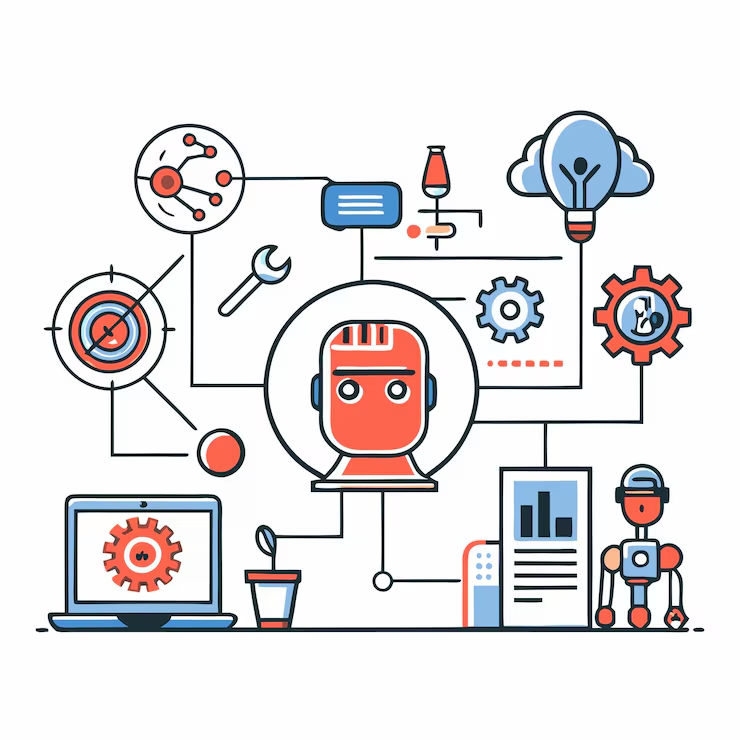
Artificial Intelligence is no longer a futuristic concept—it is now a daily driver of workplace and personal efficiency. From writing emails to managing entire projects, AI tools for productivity are transforming how people work, plan, and execute tasks.
This guide explains what these tools are, how they work, their benefits, types, challenges, and how to choose the best one for your needs.
What Are AI Tools for Productivity?
AI productivity tools are software applications powered by artificial intelligence designed to help individuals and teams complete tasks faster, smarter, and with fewer errors.
Definition and Core Purpose
At their core, these tools use machine learning, natural language processing, and automation to reduce manual effort. They can write content, schedule meetings, analyze data, and even make recommendations based on user behavior.
How AI Improves Work Efficiency
AI improves productivity by:
- Automating repetitive tasks
- Reducing time spent on manual processes
- Providing real-time insights
- Supporting faster decision-making
Key Industries Using Productivity AI Tools
Today, AI productivity tools are widely used in:
- Marketing and content creation
- Software development
- Finance and analytics
- Education and research
- Project management and business operations
Benefits of Using AI Tools for Productivity
AI tools are not just about speed—they fundamentally change how work is done.
Time-Saving Automation
One of the biggest advantages is automation. Tasks like scheduling, email replies, and data entry can be completed instantly without human intervention.
Improved Accuracy and Reduced Errors
AI systems reduce human error in repetitive tasks such as calculations, reporting, and data organization.
Enhanced Decision-Making Support
AI tools analyze large datasets quickly and provide actionable insights, helping users make better decisions in less time.
Better Task and Workflow Management
Many AI platforms help prioritize tasks, set deadlines, and track progress automatically.
Best Types of AI Tools for Productivity
There are many categories of AI tools, each serving a different purpose.
AI Writing and Content Generation Tools
These tools help create blog posts, emails, reports, and marketing copy in seconds. They are widely used by writers, marketers, and businesses.
AI Task and Project Management Tools
These platforms help teams organize projects, assign tasks, and track productivity using intelligent automation.
AI Scheduling and Calendar Assistants
AI-powered assistants can automatically schedule meetings, avoid conflicts, and suggest optimal time slots.
AI Data Analysis and Reporting Tools
These tools process complex datasets and generate easy-to-understand reports, charts, and forecasts.
How AI Tools Boost Workplace Efficiency
AI is reshaping modern workplaces by streamlining operations and improving collaboration.
Automating Repetitive Tasks
Tasks like data entry, email sorting, and report generation can be fully automated, freeing up time for strategic work.
Streamlining Team Collaboration
AI tools centralize communication, making it easier for teams to share updates and work together in real time.
Optimizing Communication Processes
Smart email filters, chat assistants, and automated responses improve communication speed and clarity.
AI Tools for Personal Productivity
AI is not just for businesses—it also helps individuals manage their daily lives more effectively.
Note-Taking and Knowledge Management Apps
AI-powered note apps can summarize meetings, organize ideas, and even suggest related information.
Personal Task Management Tools
These tools help users track daily to-do lists, set reminders, and prioritize tasks intelligently.
AI Assistants for Daily Planning
Virtual assistants can plan your day, suggest schedules, and remind you of important deadlines.
Challenges of Using AI Productivity Tools
Despite their benefits, AI tools also come with challenges.
Learning Curve and Adaptation
Some tools require time to learn and integrate into existing workflows.
Data Privacy and Security Concerns
Since AI tools often process sensitive data, security and privacy are major concerns for users and organizations.
Over-Reliance on Automation
Excessive dependence on AI can reduce critical thinking and human judgment if not managed properly.
How to Choose the Right AI Productivity Tool
Selecting the right tool depends on your goals and workflow.
Identifying Your Workflow Needs
Start by understanding what tasks you want to improve—writing, scheduling, analysis, or project management.
Comparing Features and Pricing
Not all tools are equal. Compare features, scalability, and pricing plans before committing.
Integration with Existing Systems
The best AI tools are those that integrate seamlessly with your current apps and software.
Future of AI in Productivity
AI is rapidly evolving and will continue reshaping how we work.
Emerging Trends in AI Automation
We can expect more advanced automation, including fully autonomous workflows and intelligent decision systems.
Role of AI in Remote Work
AI will play a key role in managing distributed teams, virtual meetings, and global collaboration.
Predictions for Workplace Transformation
In the future, AI will become a standard part of every workplace, acting as a digital co-worker rather than just a tool.
Conclusion
AI productivity tools are revolutionizing how people and businesses operate. By automating repetitive tasks, improving decision-making, and enhancing collaboration, they help users achieve more in less time.
However, successful adoption requires balance—combining AI efficiency with human creativity and judgment.
FAQ
What are AI tools for productivity?
AI tools for productivity are software applications that use artificial intelligence to automate tasks, improve efficiency, and support decision-making.
Are AI productivity tools free?
Some tools offer free versions with limited features, while advanced capabilities usually require a paid subscription.
Can AI tools replace human workers?
No. AI tools are designed to assist humans, not replace them. They handle repetitive tasks so humans can focus on strategic work.
What is the best AI tool for productivity?
The best tool depends on your needs. Some focus on writing, others on project management or data analysis.
Is it safe to use AI productivity tools?
Yes, but users should always check privacy policies and ensure the tool follows proper data security standards.