
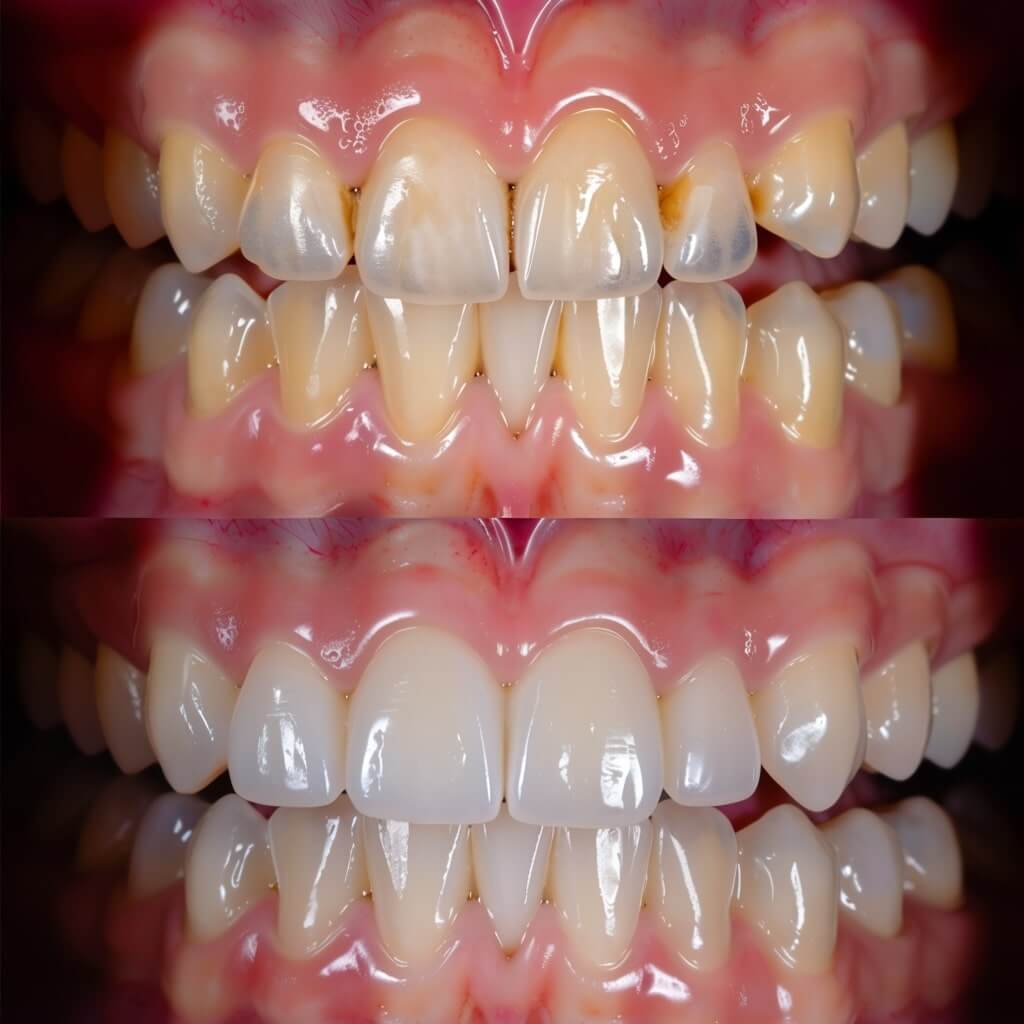
Understanding Dental Veneers and the Hidden Tooth Structure
Dental veneers are a popular cosmetic dentistry solution designed to improve the appearance of teeth by covering imperfections such as discoloration, chips, or minor misalignments. But one question often asked by patients considering this procedure is: what do teeth look like under veneers?
To answer this, it’s essential to understand the veneer placement process. Veneers are thin shells, usually made of porcelain or composite resin, that are bonded to the front surface of your natural teeth. But before veneers can be applied, your natural teeth must undergo some preparation, which alters their original appearance.
How Are Teeth Prepared for Veneers?
To ensure that veneers fit snugly and look natural, a dentist typically removes a small amount of enamel from the tooth’s front surface. This enamel removal creates space for the veneer, allowing it to sit flush with the rest of the teeth. Because of this process, when asking what do teeth look like under veneers, it’s important to know that the teeth beneath are no longer in their original condition.
The Visual State of Teeth Under Veneers
So, what do teeth look like under veneers after preparation? The answer may surprise some people. Teeth under veneers are usually:
-
Thinner due to enamel removal
-
More sensitive to hot or cold if exposed
-
Discolored or slightly yellowish in appearance
-
Misshapen or uneven, depending on the amount of reshaping required
This appearance is perfectly normal. The primary function of the veneers is to enhance the aesthetic of your smile, not preserve the original look of the tooth beneath.
The Impact of Veneers on Tooth Health
Do Veneers Harm the Natural Teeth?
Many people worry whether veneers damage their natural teeth. When placed correctly by a qualified dentist, veneers do not harm the inner structure of the teeth. However, since a portion of enamel is removed, the change is irreversible. Asking what do teeth look like under veneers becomes relevant when considering veneer removal, which would leave your teeth exposed and aesthetically unappealing without replacement.
What Happens If Veneers Are Removed?
Removing veneers without replacement exposes the underlying tooth structure. At this point, what do teeth look like under veneers becomes a crucial question. These teeth often appear:
-
Smaller and slightly ground down
-
More sensitive due to enamel loss
-
Less visually appealing without the veneer covering
Because of this, veneers are considered a permanent cosmetic solution. If you choose to remove them, you must plan for either replacement veneers or another restorative option.
Long-Term Effects on Natural Teeth
Does the Tooth Decay Under the Veneer?
While veneers themselves cannot decay, the natural tooth beneath can still be vulnerable to cavities and gum disease if proper oral hygiene isn’t maintained. Patients often wonder what do teeth look like under veneers years later. With good dental care, the teeth under veneers can remain healthy for decades, even if they no longer look like untouched natural teeth.
Can You Get Cavities Under Veneers?
Yes, if plaque or bacteria find their way under the veneer edges due to poor bonding or gum recession, decay can occur. If decay happens, the veneer may need to be removed to treat the underlying tooth—raising the question again: what do teeth look like under veneers after such procedures? Often, these teeth will require further restorative work such as crowns or new veneers.
Aesthetic Differences: Natural Teeth vs. Veneered Teeth
Do Veneered Teeth Look Natural?
High-quality veneers are crafted to mimic the light-reflecting properties of natural enamel. But when asking what do teeth look like under veneers, it’s important to acknowledge that the real teeth underneath are altered versions of their former selves. While they provide a base for the veneer, they are no longer visually comparable to their natural state.
Do All Veneers Require Tooth Reshaping?
Not necessarily. There are “no-prep” veneers such as Lumineers, which require little to no enamel removal. In these cases, what do teeth look like under veneers becomes less drastic—since the teeth are largely intact. However, these no-prep options are not suitable for everyone.
Q&A Section
Q: What do teeth look like under veneers if they are removed?
A: Teeth under veneers usually appear smaller, thinner, and less shiny than natural teeth. They may also be slightly yellow or uneven due to the enamel reduction process.
Q: Can veneers be removed and not replaced?
A: Technically yes, but not recommended. Once veneers are removed, the underlying teeth are not aesthetically suitable for exposure and may be sensitive or vulnerable to damage.
Q: Are my natural teeth still healthy under veneers?
A: Yes, if you maintain good oral hygiene and have regular dental checkups, the teeth under veneers can remain healthy for many years.
Q: Do I need to worry about tooth decay under veneers?
A: Yes, decay is still possible if bacteria seep in through the edges. Proper brushing, flossing, and regular dental visits are essential.
Q: How long do veneers last before affecting the teeth underneath?
A: Veneers typically last 10–15 years. If properly maintained, they do not negatively impact the teeth underneath within this period.
Q: Are no-prep veneers better for preserving natural teeth?
A: Yes, no-prep veneers often require less enamel removal, meaning the underlying teeth retain more of their natural appearance and structure.
Final Thoughts
Understanding what do teeth look like under veneers is essential for anyone considering cosmetic dental enhancements. While veneers can dramatically improve your smile’s appearance, they also require a commitment—both in terms of permanence and oral care. Beneath the flawless porcelain surface lies a reshaped, slightly altered natural tooth that serves as the strong foundation for your new smile.
By knowing what do teeth look like under veneers, patients can make informed decisions about their dental health and aesthetic goals. Whether you’re looking for a minor cosmetic improvement or a full smile makeover, always consult with a certified dental professional to explore the best options for your unique needs.