
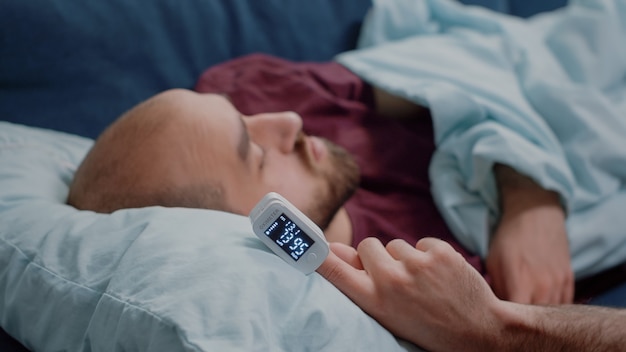
Sleep is crucial for your child’s health, growth, and development. Yet many parents overlook an important and sometimes silent issue that can significantly affect children’s wellbeing: sleep apnea. If you’re here wondering, “Does my child have sleep apnea?” or searching for a does my child have sleep apnea quiz, you are already taking the right steps toward protecting your child’s health.
In this extensive guide, we’ll explain what sleep apnea is, the warning signs in children, why early diagnosis matters, and provide you with an informative does my child have sleep apnea quiz to help you assess whether you should seek medical advice for your child.
What is Sleep Apnea in Children?
Sleep apnea in children is a condition where breathing repeatedly stops and starts during sleep. Unlike adults who often suffer from sleep apnea due to obesity, children often develop sleep apnea because of enlarged tonsils and adenoids, craniofacial abnormalities, or other airway blockages.
Obstructive Sleep Apnea (OSA) is the most common type in children. During an apnea episode, your child’s airway becomes partially or completely blocked, reducing airflow and dropping oxygen levels. This can disrupt sleep and impact daytime functioning, learning, and behavior.
If you suspect something isn’t right, taking a does my child have sleep apnea quiz can be a helpful first step.
Why Is Sleep Apnea Dangerous for Children?
If left untreated, sleep apnea can have serious consequences for a child’s health, including:
✅ Learning and memory issues
✅ Hyperactivity and attention problems (often mistaken for ADHD)
✅ Delayed growth due to disrupted growth hormone release during sleep
✅ Bedwetting (nocturnal enuresis)
✅ Behavioral and mood problems
✅ Heart issues and high blood pressure in severe cases
These risks underscore why it’s crucial to consider tools like a does my child have sleep apnea quiz if you suspect a problem.
Common Signs of Sleep Apnea in Children
Before you jump into the does my child have sleep apnea quiz, let’s review some tell-tale symptoms. A child with sleep apnea may experience:
-
Loud snoring, often with pauses, gasping, or choking
-
Restless sleep with frequent position changes
-
Night sweats
-
Bedwetting, even in older children
-
Mouth breathing or dry mouth in the morning
-
Morning headaches
-
Difficulty waking up or daytime sleepiness
-
Behavioral problems or irritability
-
Learning difficulties or poor school performance
-
Growth issues or poor weight gain
If several of these symptoms sound familiar, it’s time to take the does my child have sleep apnea quiz below.
Does My Child Have Sleep Apnea Quiz
Disclaimer: This quiz does not replace a medical evaluation. It’s a tool to help you decide whether to consult a pediatrician or sleep specialist.
Check all that apply to your child:
- ☐ Snores loudly several nights a week
- ☐ Has pauses in breathing during sleep
- ☐ Gasping, choking, or snorting noises while sleeping
- ☐ Sleeps in unusual positions (e.g., neck extended, sitting up)
- ☐ Wakes up often during the night
- ☐ Wets the bed despite being potty trained
- ☐ Wakes up with a headache or dry mouth
- ☐ Feels excessively sleepy or hyperactive during the day
- ☐ Has trouble focusing at school
- ☐ Struggles to gain weight or is below expected growth charts
Results of the Does My Child Have Sleep Apnea Quiz:
-
0-2 items checked: Low risk. However, stay observant.
-
3-4 items checked: Moderate risk. Discuss concerns with your pediatrician.
-
5 or more items checked: High risk. Seek medical evaluation promptly, especially if breathing pauses are observed.
Taking the does my child have sleep apnea quiz is an essential step toward proactive parenting. Don’t wait to act if your child scores high.
Diagnosing Sleep Apnea in Children
If your does my child have sleep apnea quiz results suggest risk, the next step is a medical evaluation. Your child’s doctor might:
-
Review medical history and symptoms
-
Perform a physical exam (looking at tonsils, adenoids, airway anatomy)
-
Refer your child for an overnight sleep study (polysomnography) which is the gold standard for diagnosing sleep apnea
Treatment Options for Pediatric Sleep Apnea
The right treatment depends on the cause and severity. Options include:
-
Tonsillectomy and adenoidectomy (removing tonsils/adenoids) – common and often curative
-
CPAP therapy – a machine delivering steady air pressure to keep airways open
-
Weight management if obesity is a factor
-
Allergy management or nasal sprays for mild cases
-
Orthodontic treatments in some children
Discuss treatment with a specialist if your child’s does my child have sleep apnea quiz results indicate a high risk.
How Can Parents Help?
While you wait for a diagnosis, there are steps you can take:
-
Keep your child’s weight healthy
-
Encourage nasal breathing (treat allergies if present)
-
Ensure a consistent sleep schedule
-
Avoid secondhand smoke exposure
-
Elevate your child’s head slightly while sleeping if advised by your doctor
Remember, taking the does my child have sleep apnea quiz is only the first step. Early intervention can dramatically improve your child’s sleep and daytime functioning.
Q&A Section: Does My Child Have Sleep Apnea Quiz
Q1. Is snoring always a sign of sleep apnea?
Not always. Occasional snoring can happen due to colds or allergies. However, loud or frequent snoring, especially with gasping or choking, warrants a does my child have sleep apnea quiz and a medical evaluation.
Q2. Can sleep apnea affect school performance?
Absolutely. Sleep apnea disrupts deep sleep, causing fatigue, irritability, and attention problems that can look like ADHD. A does my child have sleep apnea quiz can help spot these red flags.
Q3. My child only snores sometimes. Should I still take the quiz?
Yes. Even intermittent symptoms might indicate a problem. The does my child have sleep apnea quiz can help clarify whether further steps are needed.
Q4. Can sleep apnea go away on its own?
Mild cases might improve, especially if related to temporary issues like swelling from a cold. However, persistent symptoms should never be ignored. Use the does my child have sleep apnea quiz and discuss results with your doctor.
Q5. How accurate is the quiz?
The does my child have sleep apnea quiz is a screening tool, not a diagnosis. It highlights risk but cannot replace a sleep study or medical evaluation.
Final Thoughts
Sleep apnea is not just an adult problem. Many children struggle with undiagnosed sleep apnea that affects their health, learning, and happiness. If you’ve read this far, you’re already being proactive, and taking the does my child have sleep apnea quiz is an excellent first step.
If your child’s quiz results raise concerns, speak to your pediatrician or a sleep specialist promptly. With proper care, children with sleep apnea can thrive, sleep well, and enjoy healthier, happier days ahead.
Reference : https://en.wikipedia.org/wiki/Sleep_apnea
Related Article : OneFramework 6 Ways Technology Affects Your Sleep Health